Teaching methodology is designed to create an engaging, inclusive, and skill-oriented learning environment by effectively combining theoretical instruction with practical demonstration. This approach ensures that students develop a strong conceptual foundation while gaining hands-on experience aligned with industry standards. The session is structured in a systematic manner, beginning with a formal welcome, followed by interactive learning, practical exposure, and concluding with evaluation and recognition.
At the beginning of the session, I formally welcomed the Principal and vocational teachers, expressing gratitude for their presence and support. Their participation added value to the learning environment and motivated students to take the session seriously. A brief introduction to the objectives of the session was provided, outlining the importance of vocational skills, the relevance of the subject, and how theoretical knowledge and practical application would be integrated throughout the training. This opening set a professional tone and clearly communicated expectations to both students and faculty members.
Following the welcome, I initiated interaction with the students to understand their background knowledge, interests, and learning expectations. This initial interaction helped establish rapport and created a comfortable atmosphere for open communication. Students were encouraged to introduce themselves and share their understanding of the subject, which allowed me to assess their learning levels and tailor the session accordingly. This interactive approach ensured active participation from the very beginning.
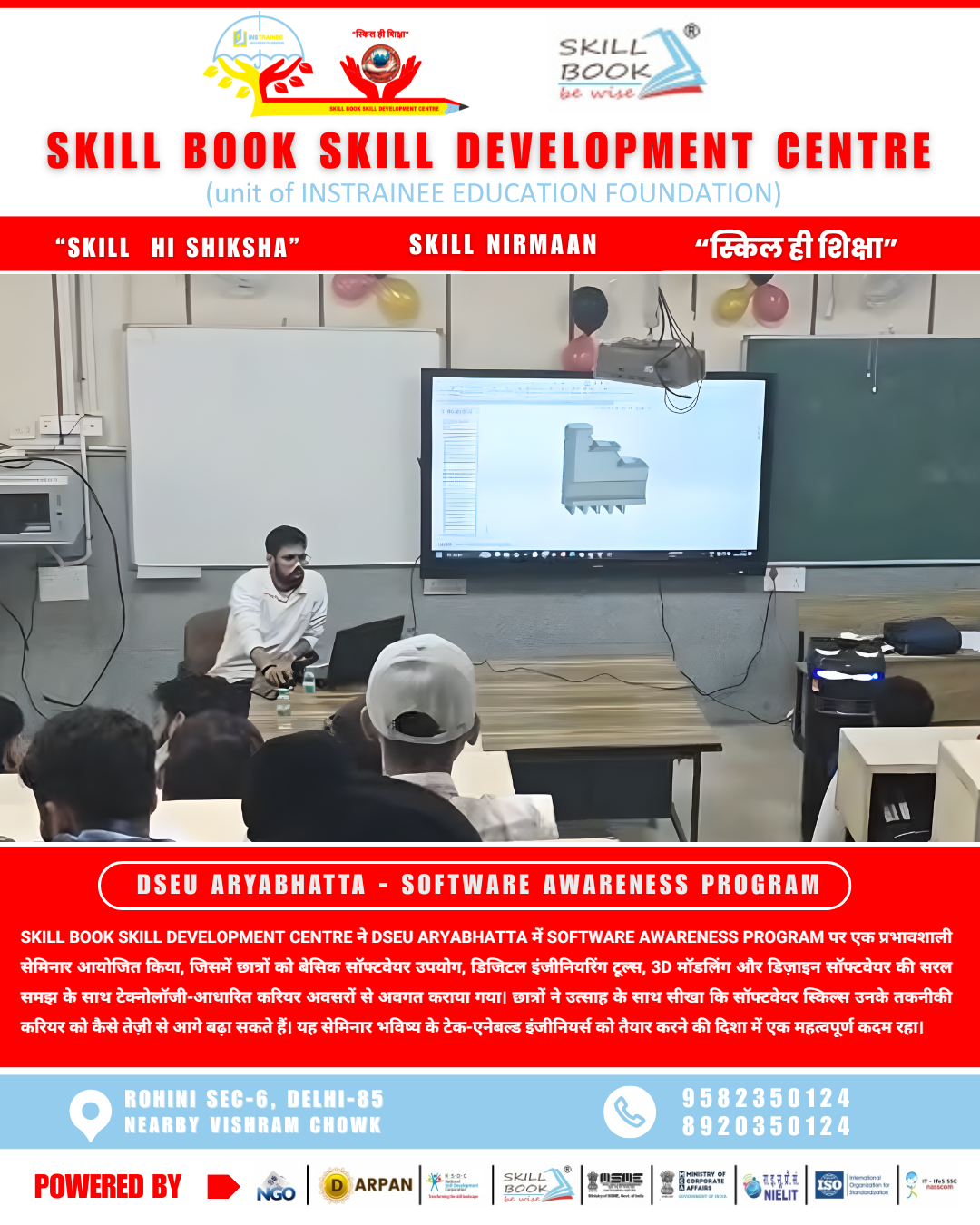
The theoretical component of the session focused on introducing fundamental concepts, principles, and terminology related to the subject. Concepts were explained using simple language, real-life examples, and visual aids to ensure clarity and inclusiveness. Emphasis was placed on helping students understand the purpose and application of each concept rather than rote learning. Students were encouraged to ask questions and participate in discussions, which promoted critical thinking and reinforced understanding.
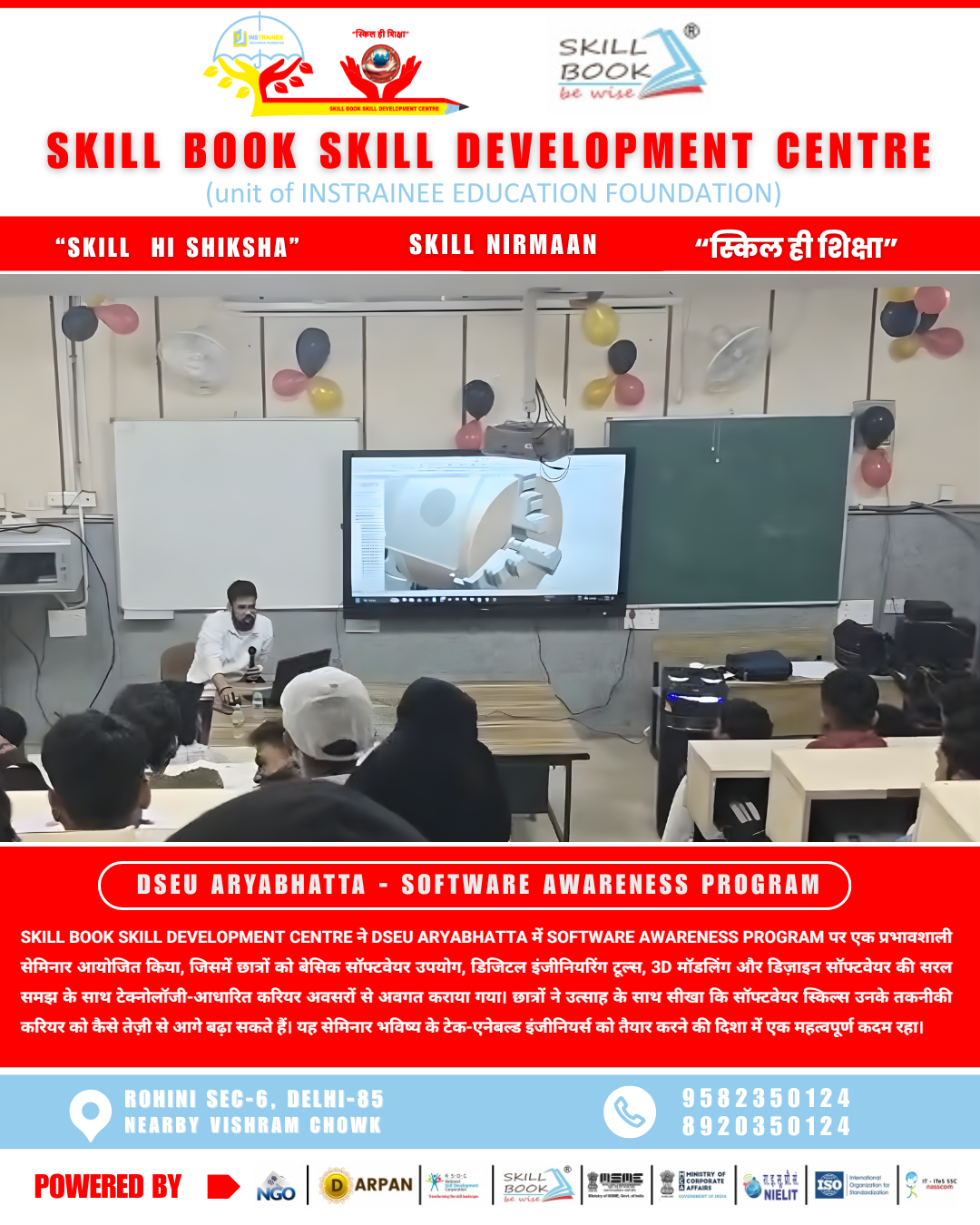
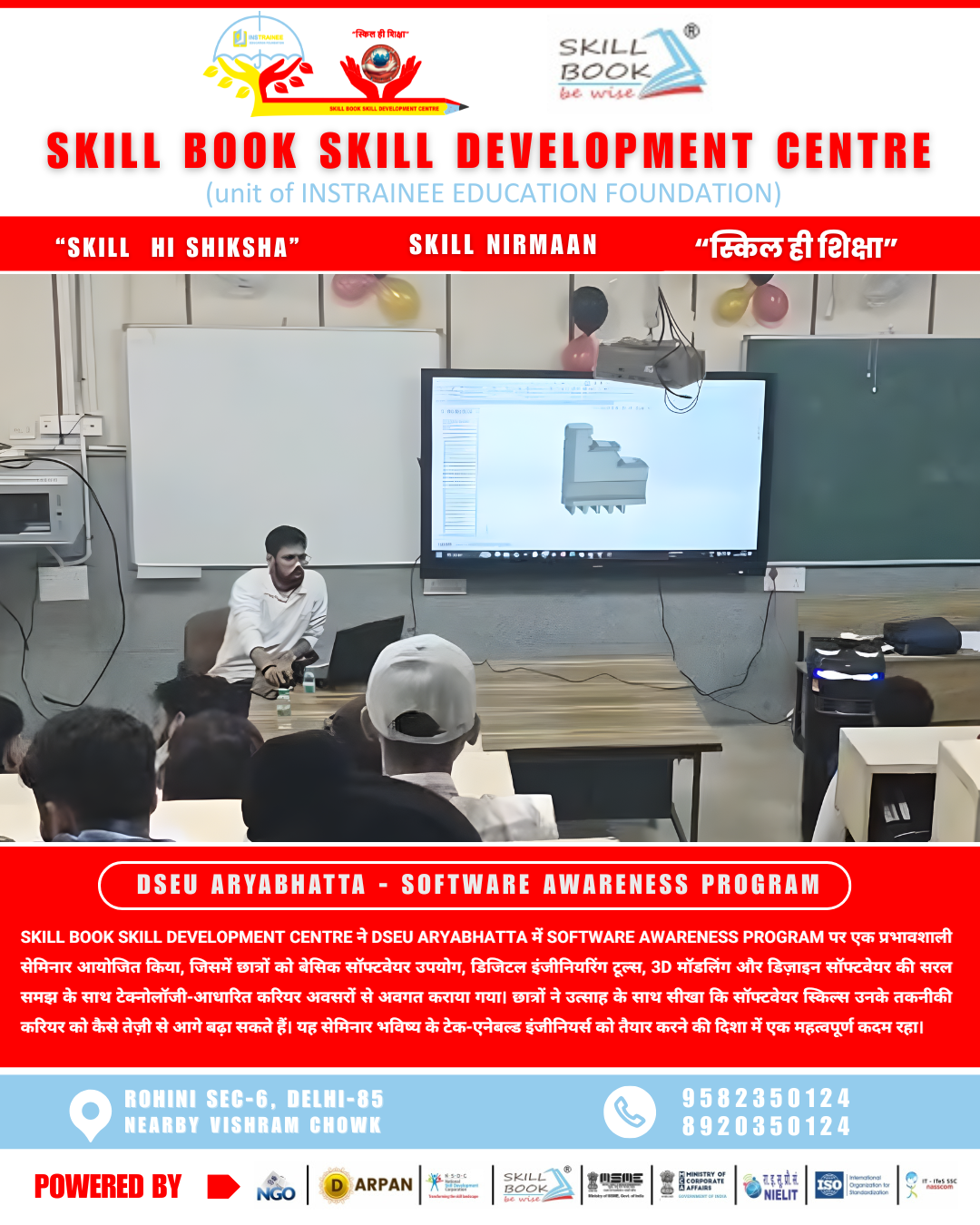
After establishing a theoretical foundation, I transitioned into practical demonstration. Each concept explained in theory was demonstrated step-by-step in a real-time practical setting. Tools, techniques, and processes were shown clearly, allowing students to observe how theoretical knowledge is applied in professional scenarios. The demonstrations were structured from basic to advanced levels to ensure that students could follow and understand each step without difficulty.
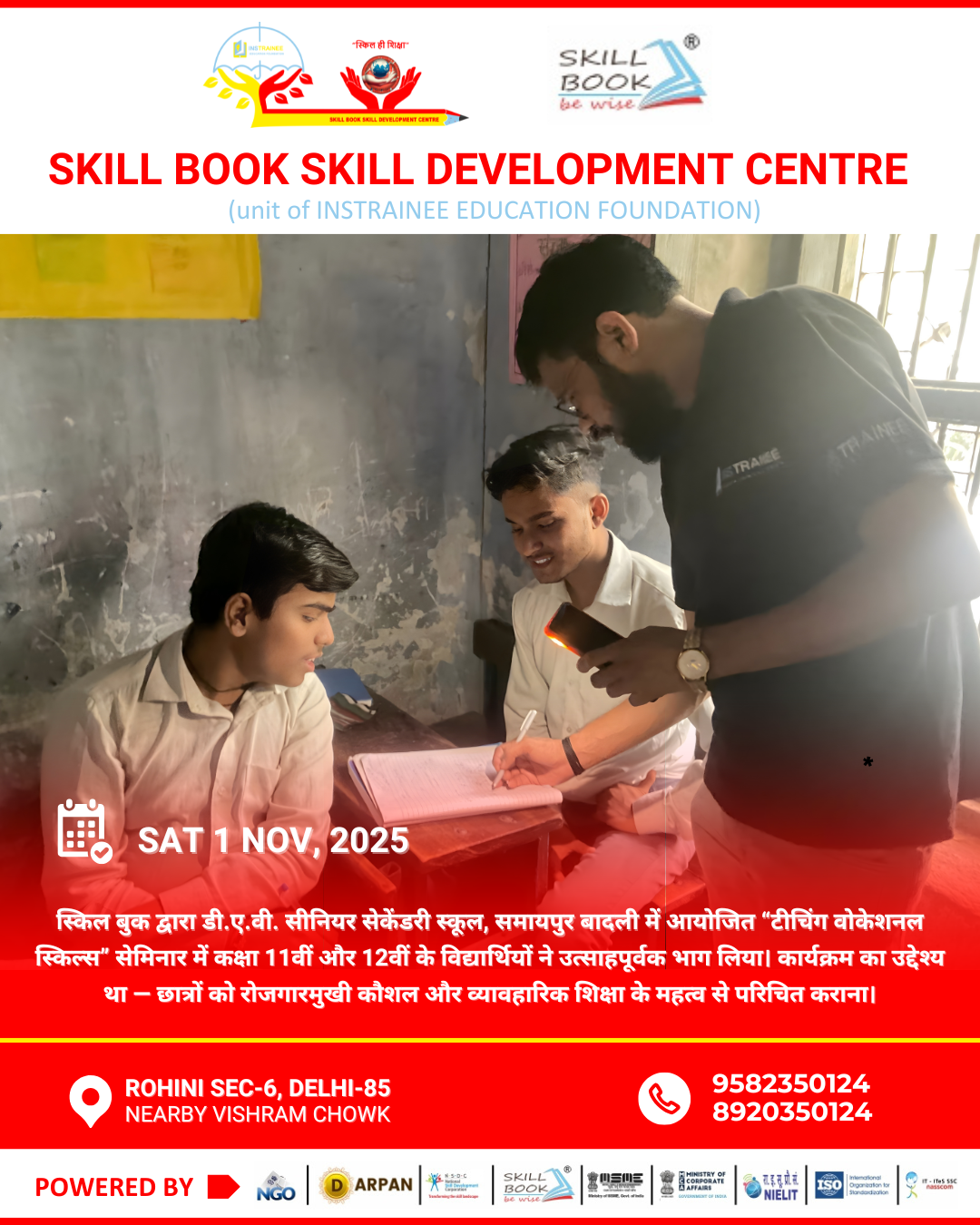
Students were then given the opportunity to practice the demonstrated tasks themselves. This hands-on practice allowed them to apply their learning, identify challenges, and improve through guided support. I provided individual attention, corrected mistakes, and offered constructive feedback to ensure skill development and confidence building. Group activities were also conducted to promote teamwork, collaboration, and peer learning.
Throughout the session, continuous interaction with students was maintained. Questions were encouraged, and discussions were facilitated to ensure conceptual clarity. Real-world examples and industry practices were shared to help students understand the practical relevance of the skills being taught. This interactive learning environment helped maintain student engagement and enhanced learning outcomes.
Assessment and evaluation were carried out through observation, practical tasks, and student responses. Equal importance was given to theoretical understanding and practical performance. This balanced assessment approach ensured that students were evaluated holistically on their knowledge, skills, and ability to apply concepts independently.
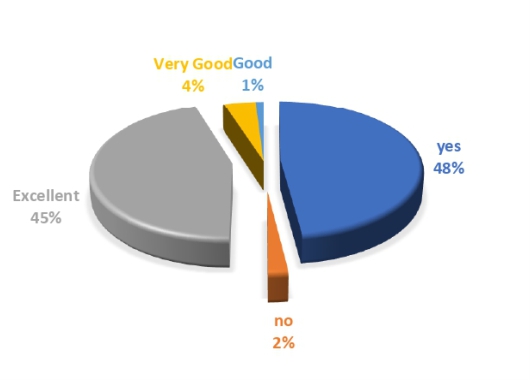
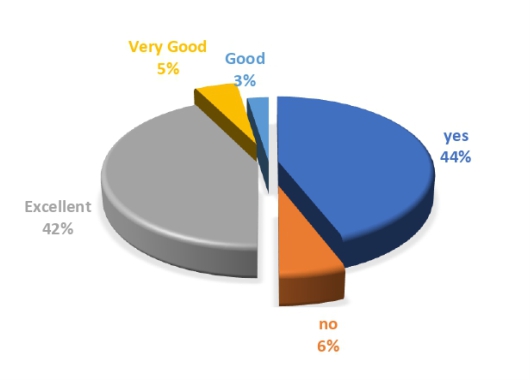
At the conclusion of the session, feedback was shared by the Principal and vocational teachers. The Principal appreciated the structured teaching methodology, effective student interaction, and the balance between theory and practice. The session was recognized for its clarity, engagement, and practical relevance. As a gesture of appreciation, the Principal Mam presented an appreciation letter acknowledging the quality of instruction, student involvement, and overall impact of the session.
In conclusion, the session successfully demonstrated the effectiveness of integrating theoretical instruction with practical demonstration in vocational education. The structured welcome, interactive teaching approach, hands-on training, and positive feedback from the Principal and vocational teachers reflected the success of the methodology. This approach not only enhanced student learning and confidence but also reinforced the importance of skill-based education in preparing students for real-world professional challenges.
The seminar on Teaching Vocational Skills in Graphic Design was a highly successful and impactful initiative that effectively combined theoretical instruction with practical demonstrations. Students gained a clear understanding of key concepts and had the opportunity to apply their learning through hands-on exercises, enhancing both their knowledge and practical skills.
The interactive sessions encouraged active participation, critical thinking, and creative problem-solving, while the guidance provided by the trainer helped students build confidence and explore career opportunities in the field of graphic design. The presence and support of the Principal and vocational teachers further motivated students and reinforced the importance of skill-based learning.
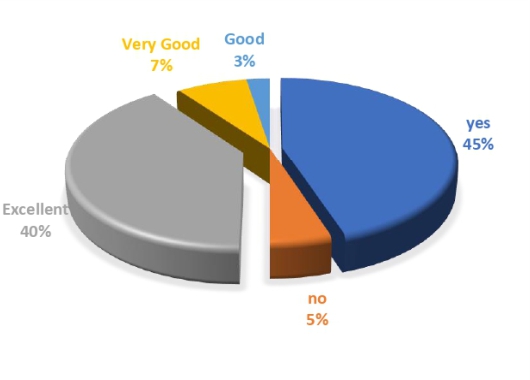
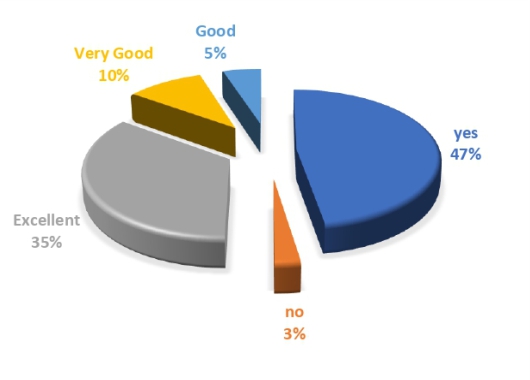
Overall, the seminar achieved its objectives of promoting vocational education, bridging the gap between academic knowledge and industry requirements, and equipping students with the tools and confidence to pursue successful careers in graphic design. The positive feedback from both students and the school administration reflects the effectiveness of the program and underscores the value of continued skill development initiatives.
Both students and the school provided valuable recommendations for enhancing future seminars and vocational skill programs. Students suggested conducting more hands-on workshops to further develop practical skills, incorporating advanced modules and real-world project simulations, and organizing regular career guidance sessions to explore job and freelancing opportunities in creative industries. They also recommended providing access to updated tools, software, and resources to support continuous skill improvement. Similarly, the school emphasized the importance of continuing such vocational seminars across multiple subjects, introducing hybrid sessions to reach students in remote locations, and fostering stronger industry collaboration for internships, mentorship, and placement opportunities. Both students and faculty highlighted the need for continuous feedback and follow-up workshops to monitor progress and ensure effective skill development. Overall, these recommendations reflect a shared commitment to promoting sustained, practical, and career-oriented learning that equips students with industry-ready skills and prepares them for future professional success.


















Comments (3)
Amit Kumar
Thanks for always keeping your WordPress themes up to date. Your level ofsupport and dedication is second to none
Amit Kumar
Thanks for always keeping your WordPress themes up to date. Your level ofsupport and dedication is second to none